Quick and accurate access to emergency service schedules is essential for anyone facing a medical emergency, especially while traveling. Differences in time zones, local holidays, and service protocols can vary significantly from country to country, creating a challenge for travelers. Reliable information is needed to quickly contact emergency services when necessary. While emergency numbers like 112 in Europe or 911 in North America are well-known, understanding the opening hours of local clinics and hospitals often requires additional research.
Accessing Emergency Service Information Worldwide
Given the diversity of healthcare systems, accessing accurate information about emergency services can be complex. The SAMU, a cornerstone of medical regulation in France, is an organizational model that is not found everywhere with the same efficiency. Indeed, each country has its own system of emergency numbers and hospital emergency services, the organization of which can vary considerably.
In France, the CHU Pellegrin in Bordeaux recently implemented nighttime filtering of emergencies. This measure is part of a context where emergency services and the SMUR experience sporadic closures due to a lack of doctors, a situation that is not isolated but is found in various establishments such as the Départemental Hospital Center of Vendée.
Travelers must therefore prepare for the possibility of such constraints during their travels. Inform yourself about the specifics of emergency numbers and the hours of local emergency services. Online tools exist to facilitate this task, such as international databases of emergency numbers, accessible via the Internet or dedicated applications. Measures have been taken to help citizens better navigate the complex network of emergency services. In France, the simplified numbering ‘3639’ aims to direct calls to the appropriate service. The initiative illustrates the desire to facilitate access to urgent care, but also reminds each of us of the necessity to stay informed about the procedures in place in the country we are in. Take these elements into account, as in a crisis situation, every second counts.
Online Resources and Applications to Stay Informed in Real Time
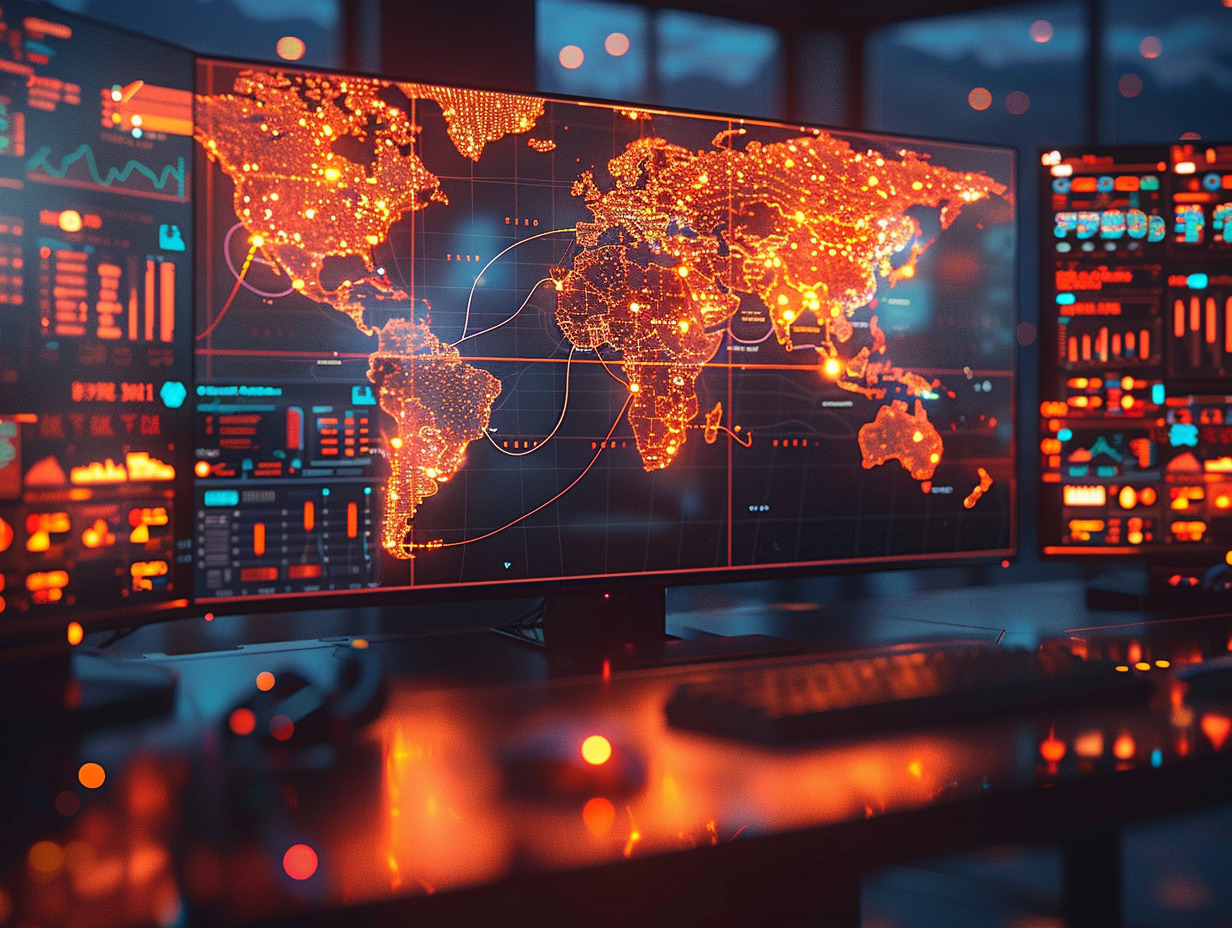
In a world where emergencies can strike at any moment, staying informed about the hours and procedures of emergency services is a civic duty. Online resources and dedicated applications then become indispensable allies. Platforms such as Franceinfo or BFM-TV regularly update information regarding emergency numbers and the hours of the relevant services, ensuring to reflect changes mandated by health authorities. At the heart of these initiatives, health actors like François Braun, Minister of Health, and Aurélien Rousseau, his counterpart, speak about the capabilities of establishments to manage emergencies. Their statements, relayed by the media, are sometimes the subject of debates among experts, such as Marc Noizet from the SAMU-Urgences de France Union, highlighting the importance of multiple sources for comprehensive and diverse information. Additionally, national communication campaigns aim to raise public awareness about the right reflexes to adopt in case of an emergency. Initiated by this effort, the campaign centered around the number 15 guides patients to the right contact before heading to the emergency room, a measure reflecting concerns expressed by figures such as Agnès Ricard-Hibon, spokesperson for the French Society of Emergency Medicine, and Patrick Pelloux from the Association of Emergency Physicians of France. These campaigns are crucial for alleviating pressure on services and effectively directing calls to the appropriate structures.