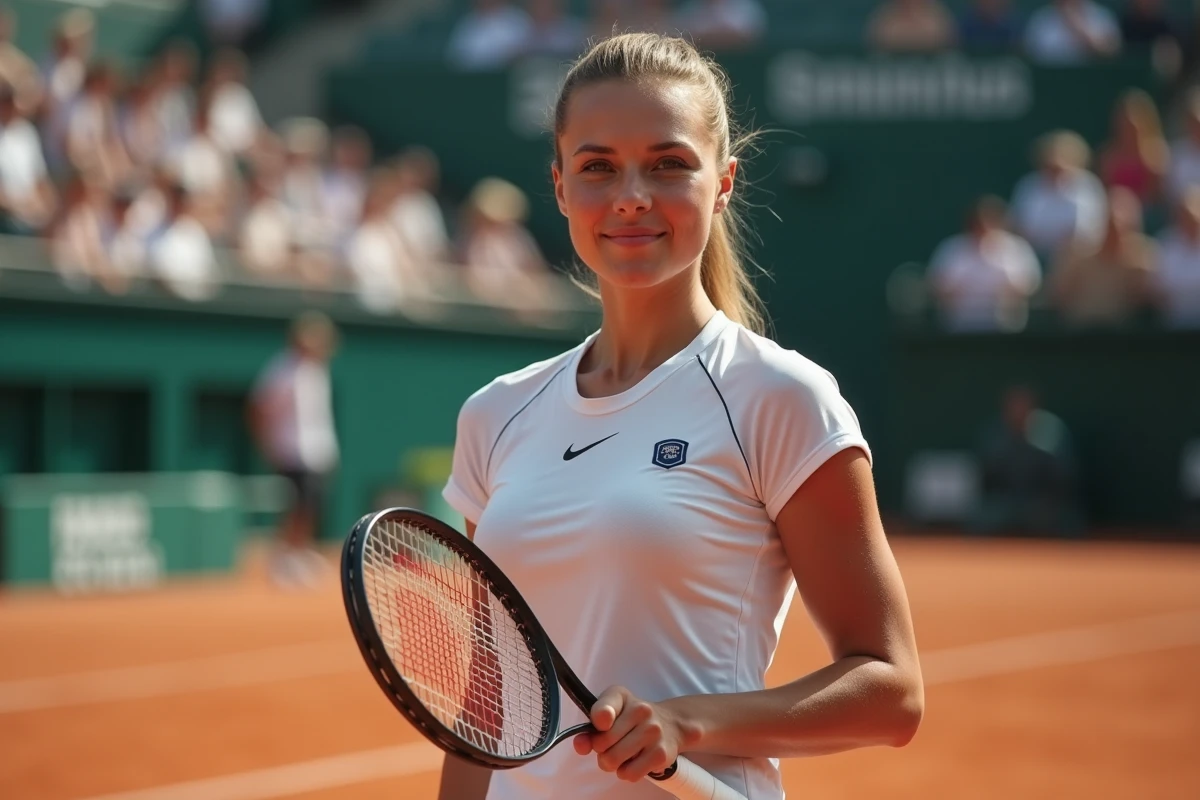
Aryna Sabalenka, the world number one in women’s tennis, is frequently associated with sensational headlines referring to nude photos on social media. This phenomenon deserves to be examined from a specific angle: what do the player’s posts actually show, and how do platforms transform controlled content into massive clickbait?
Recommendation Algorithms and False Claims About Female Athletes
The mechanism that propels this type of content to the top of trends is not mysterious. The recommendation algorithms of Facebook, Instagram, or X (formerly Twitter) favor posts that generate quick engagement: clicks, shares, outraged or enthusiastic comments.
A headline mentioning nude photos of a top athlete checks all these boxes simultaneously. The result: entire pages of search results saturated with articles whose promises far exceed the actual content.
To understand the mechanics, one only needs to observe the nude photos of Aryna Sabalenka as they circulate online: the majority link to posed, artistic, or promotional shots published by the player herself on her official Instagram account.
| Element Announced in Headlines | Content Actually Published |
|---|---|
| “Nude” or “topless” photos | Shots in swimsuits, artistic poses, or promotional photos |
| “Leak” or “scandal” | Voluntary posts on Aryna Sabalenka’s official account |
| Explicit content | Images compliant with Instagram’s moderation rules |
| Massive “shocked” reaction | Predominantly positive or admiring comments |
The gap between the promise of the headline and the reality of the content is the very engine of virality. Clickbait works because the click has already occurred before the disappointment.
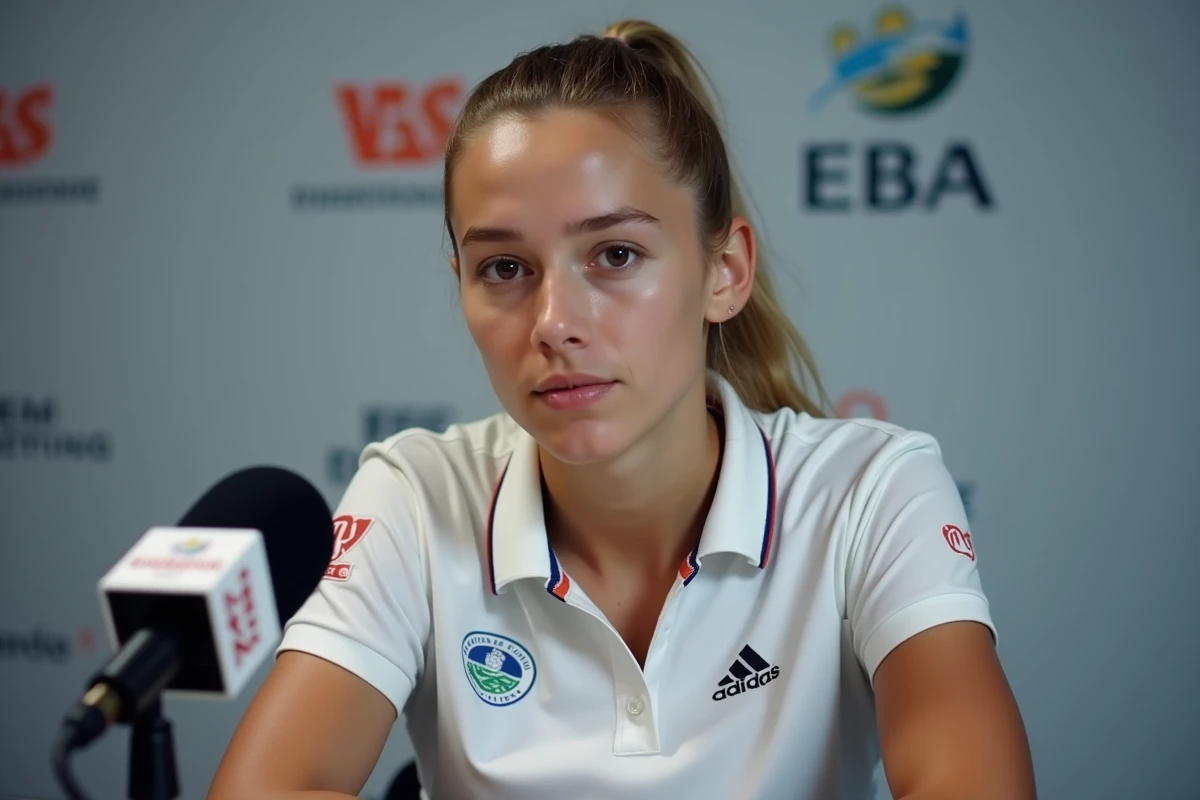
Aryna Sabalenka on Instagram: What Has Actually Been Posted
Aryna Sabalenka manages her image with a deliberate strategy. Her posts on Instagram mix match photos, lifestyle content, and bolder shots, always within the platform’s terms of use.
The images labeled as “topless” in articles actually relay photos where the player poses in revealing outfits or with a framing that suggests more than it shows. This type of content is common among elite female athletes who build a personal brand beyond their discipline.
- The shared photos consistently comply with Instagram’s moderation rules, excluding any explicit nudity
- The player controls her posts: no “leak” has been documented by a verifiable source
- Articles amplifying these images use deliberately ambiguous terms to maximize the click-through rate
Sabalenka publishes provocative but controlled content, placing her in the same category as many sports personalities who exploit the visual codes of social media to increase their audience.
Instagram Popularity and Branding Strategy
Sabalenka’s meteoric popularity on social media does not solely rely on these images. Her position as world number one, her Grand Slam titles, and her straightforward personality generate media interest that amplifies every post.
The “daring” content represents a minority fraction of her posts. The majority of her Instagram feed is dedicated to training, competitions, and commercial partnerships. Sensationalist articles isolate these few images to construct a narrative that does not reflect the entirety of her communication.
Sports Disinformation and Clickbait: A Recurring Pattern for Female Athletes
The Sabalenka case is not isolated. Top female athletes regularly become the subject of sensational headlines that divert attention from their athletic performances to their physical appearance.
This pattern relies on several levers that content creators exploit:
- A headline framed as a revelation (“the truth revealed,” “what has really been posted”) to create a sense of urgency
- Cropped or retouched thumbnails that exaggerate the provocative nature of the original image
- A multiplication of reposts by aggregator sites that copy the same angle without verification
- The near-total absence of links to the original post, preventing the reader from verifying for themselves
The phrasing “the truth revealed” is a classic marker of clickbait. It promises exclusive information that, in almost all cases, boils down to what the athlete has voluntarily posted on her own account.

Consequences on the Perception of Female Athletes
This media treatment produces a measurable effect: the most popular queries associated with Aryna Sabalenka’s name on search engines include terms related to her physique long before her sports results. The player, eliminated in the third round in Rome in May 2026 according to Sud Radio, sees her sporting defeat overshadowed by articles dedicated to her body image.
The algorithm rewards sensationalism, not sports information. Factual articles about Sabalenka’s performances generate fewer clicks than those promising provocative photos, which pushes newsrooms to favor the latter angle.
Verify Before Sharing: Reflexes Against Sports Clickbait
In the face of this type of content, verification takes just a few seconds. Aryna Sabalenka’s official Instagram account is public and accessible. Any publication “revealed” by a third-party article can be compared to the original source.
The systematic gap between the headlines and the actual content of these articles illustrates a structural problem of digital platforms. Social media do not distinguish between a sports analysis article and clickbait: only the volume of interactions matters in the ranking.
The media treatment of Aryna Sabalenka on this specific subject encapsulates the tension between algorithmic visibility and reliable information. The photos exist, they are public, and they contain none of what the headlines suggest.