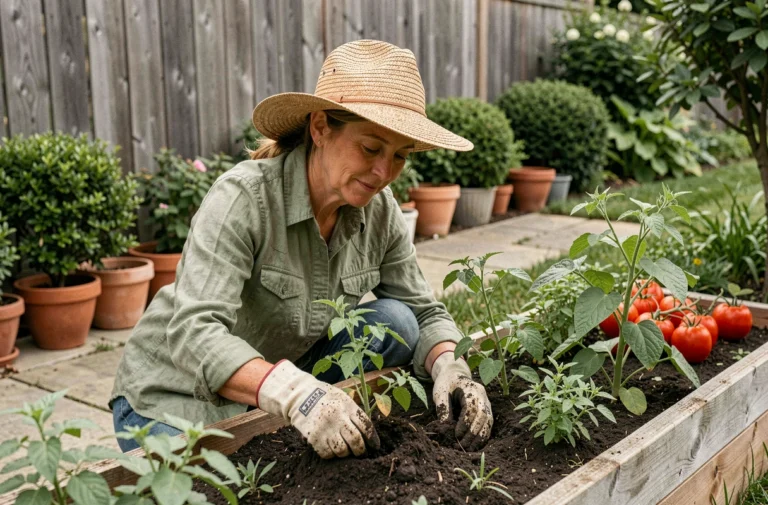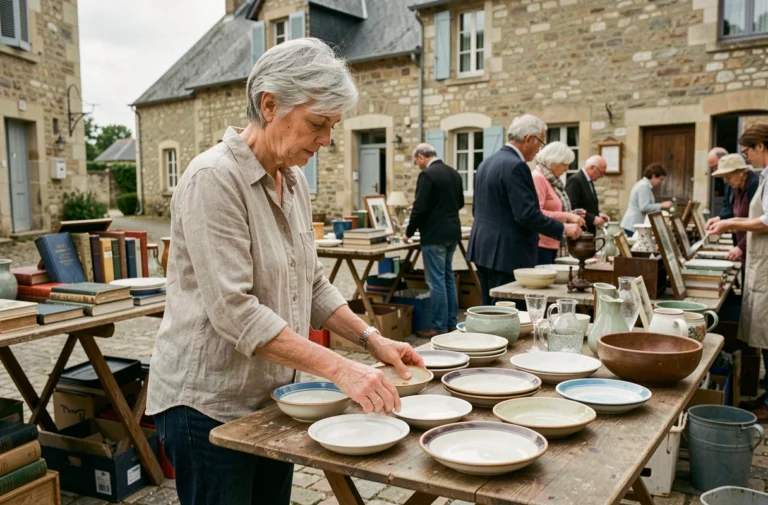
A rainy Saturday, an hour free between errands, a tight budget at the end of the month: the choice of a leisure activity is rarely made under ideal conditions. Current trends in activities reflect this reality, with a clear increase in autonomous practices that are low-cost and adaptable to short time slots.
Autonomous sports activities: why the French are leaving clubs
The 2025 National Sports Practices Barometer from INJEP and CRÉDOC confirms a clear trend: walking, running, and cycling are on the rise outside of club memberships. More and more practitioners are organizing their sessions alone, at off-peak times, without an annual fee.
The main reason is twofold. First, flexibility: a running outing requires no reservation. Second, budget constraints, documented by an Odoxa survey for RTL in 2025, show that price drives a significant portion of the French to abandon structured sports activities, with a particularly marked impact among young adults and low-income households.
For those who want to explore various options without financial commitment, the site www.blog-vip.net leisure and news regularly compiles ideas suited to different budgets and fitness levels.
In practice, we observe that three formats stand out for autonomous sports:
- Fast or Nordic walking, which can be practiced in urban or rural settings, requires no expensive equipment, and is suitable for all ages.
- Utility or leisure cycling, which combines daily commuting and physical activity without blocking a dedicated time slot.
- Outdoor strengthening circuits (like health trails or street workouts), which are free and accessible in most municipalities.

Cultural outings in 2025: the barrier is not what we think
Lists of leisure ideas consistently place museums, exhibitions, and live performances in a good position. The 2025 Cultural Outings Barometer from the Ministry of Culture nuances this picture: after the rebound of 2024, attendance is experiencing a slight decline.
The three barriers reported by respondents are lack of time, lack of interest, and fear of crowds. Price does not top the list, contrary to what one might assume.
What this barometer also reveals, and what competing guides do not mention, is the social dimension of cultural practices. Age and level of education remain the primary determinants of attendance at cultural venues in France. Presenting a museum visit as a universally accessible leisure activity overlooks this reality.
Cultural formats that work nonetheless
Free outdoor events (screenings, municipal concerts, heritage days) circumvent several of these barriers simultaneously. No reservation, no waiting line, no ticket to pay. People come with family or friends without planning ahead.
Media libraries also remain an underestimated entry point. Beyond lending books, most offer workshops, screenings, and access to digital resources, all for free.
Creative hobbies and DIY: what has changed since the post-lockdown wave
Macramé, punch needle, resin, embroidery: these activities have seen a peak in popularity in recent years, driven by tutorials on YouTube and inspiration boards on Pinterest. The question today is no longer whether these creative hobbies are trendy, but which ones are sustainable over time.
The activities that last are those with a low entry cost. Embroidery requires only a hoop, thread, and fabric. Crochet starts with a ball of yarn and a hook. In contrast, creating with epoxy resin requires a more significant initial investment in materials and protective equipment, which hinders regular practice.
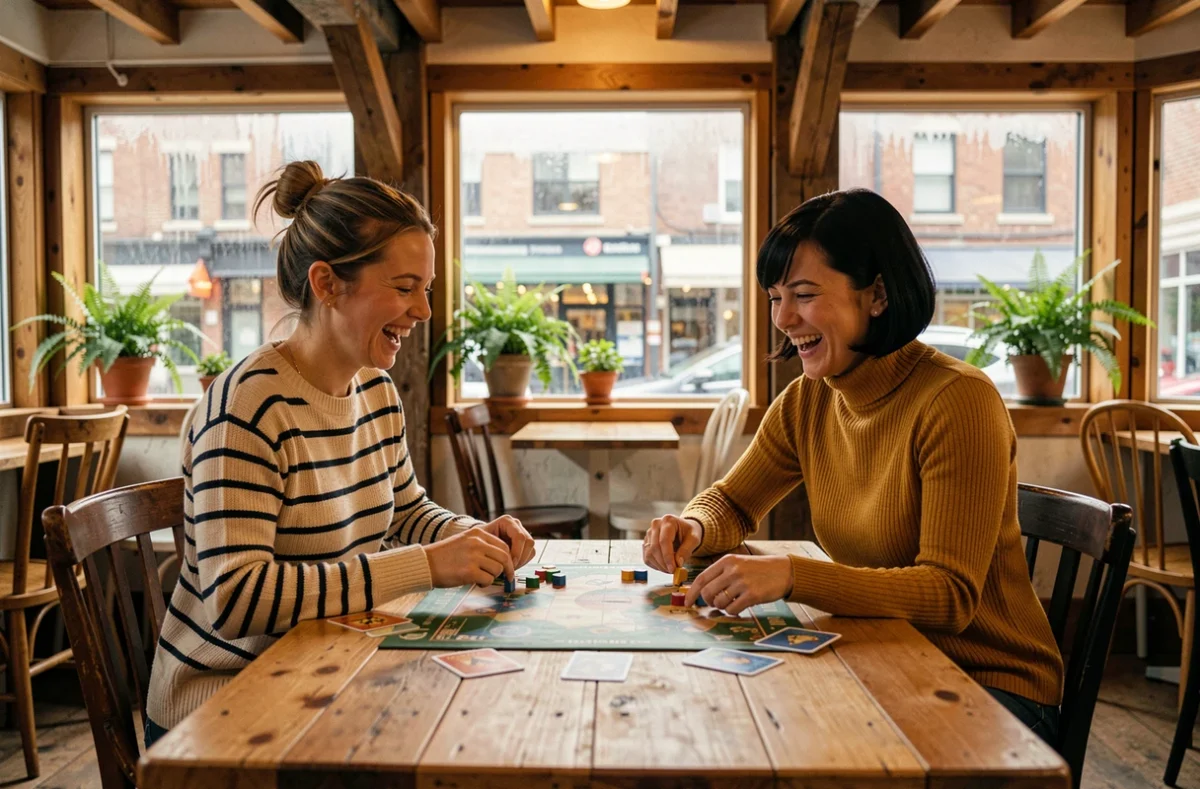
Creative projects suited to limited time
You don’t always have two hours ahead of you. Short projects (an hour or less) appeal more to beginners and busy parents. Here are some concrete ideas:
- Ready-to-use punch needle kits, which include fabric, needle, and threads, with a visible result in one session.
- Postcard-sized watercolor, which requires only a small pad, a portable palette, and a water reservoir brush.
- Creations with air-drying clay (bowls, jewelry holders), which can be made without an oven or specialized equipment.
Online activities and digital content: beyond passive scrolling
Listening to music remains the most widespread digital leisure activity in France. Feedback varies on this point, but the line between passive consumption and active practice blurs with the proliferation of online tools.
Online course platforms (cooking, drawing, music, languages) allow screen time to be transformed into concrete learning. Online content becomes an active leisure activity when it leads to production: a cooked dish, a piece played, a finished illustration.
Online communities also play a role in maintaining motivation. Sharing creations or progress in dedicated groups replaces, for many, the stimulation previously found in an in-person group class.
The choice of a leisure activity depends less on current trends than on three concrete parameters: available time, actual budget, and geographical proximity to a suitable place or space. Starting from one’s constraints rather than a list of ideas remains the most reliable method for finding an activity that one will actually practice beyond the first week.